CMAT (CardioMetabolic Assessment Test) is a set of painless checks that include heart rate variability, a window into the automatic nervous system that a concussion can unsettle. It also checks small nerves, blood flow and body makeup, in one visit with nothing going through the skin.
Your physician orders this test when the exam points to a need for it. We schedule it and follow up until the results are in your chart.
What is CMAT?
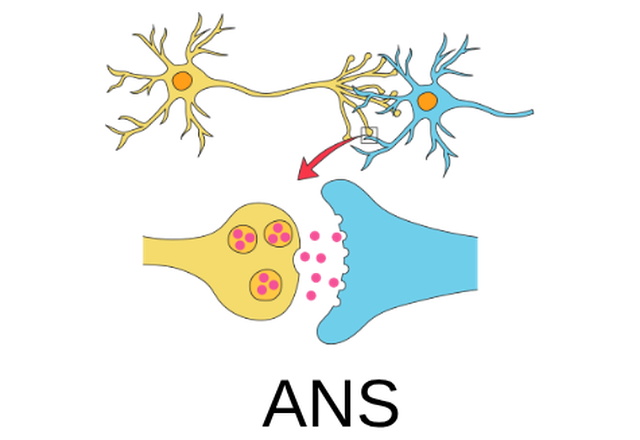
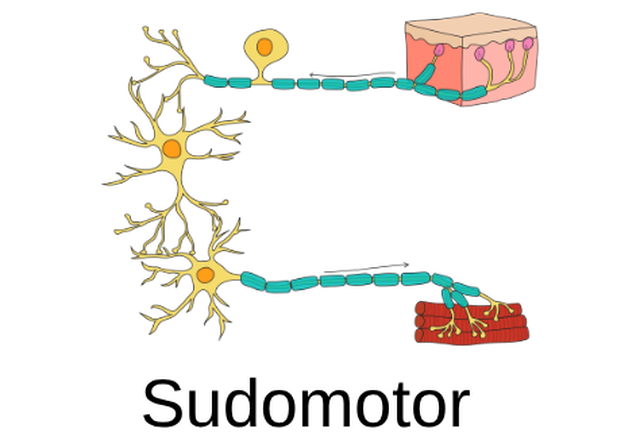
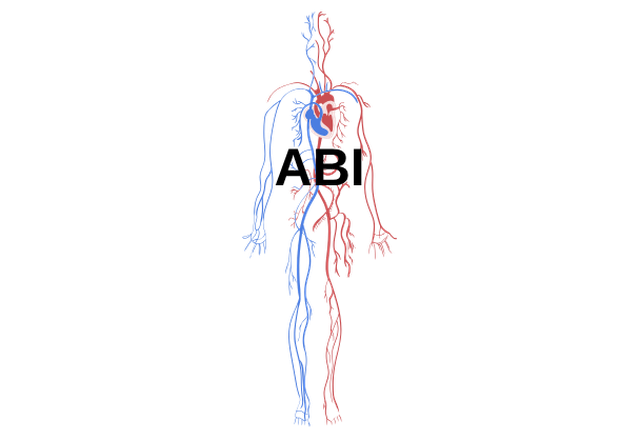
CMAT groups several quick Measura checks: your heart rhythm and how much it varies from beat to beat, the small nerves that control sweating, blood flow to your legs, and your body composition.
Why does it matter after a concussion?
The automatic nervous system runs things you never think about: heart rate, blood pressure when you stand, sweating and digestion. After a concussion, some people notice a racing heart when they get up, feel wiped out by light activity, or feel wired and tired at once. Heart rate variability shows whether the nervous system is stuck in stress mode. CMAT puts numbers on problems that otherwise go unseen and helps your physician set a safe pace for activity.
What will you feel?
Cuffs wrap your arms and ankles, clips sit on your fingertips, and you set your hands and bare feet on metal sensor plates. You stay seated or lying still.
How should you prepare?
Wear loose sleeves and pants you can push up past the ankle. No coffee, energy drinks, tobacco or vaping in the hours before.
What should we know before the test?
- If you have a pacemaker
- If you are pregnant
How much time should you plan?
Plan on about 30 to 45 minutes.
Go to the emergency room or call 911 if, after a head injury, you have a headache that keeps getting worse, vomit more than once, have a seizure, slur your words, feel new weakness or numbness, or become more confused or hard to wake. Do not wait for a physiotherapy visit.
What to remember
- It is painless; nothing breaks the skin.
- Skip coffee and nicotine beforehand.
- It shows whether your nervous system is stuck in stress mode.
Show us you have it: At your next visit, name what you will avoid before the test. Questions are welcome; we are glad to go over it twice.
Read more on this site: why two people with the same concussion recover differently.
Other tests your physician may order
- Cognivue Memory Test After a Concussion
- VNG Dizziness Test After a Concussion
- Kinetisense Balance Test After a Concussion
- EMG Arm Nerve Test After Whiplash
- RQ Metabolic Breathing Test After a Concussion
This page belongs to our physiotherapy after a concussion program. Our physicians examine you, sign each order and watch over the care, and treatment waits whenever no physician is in the building to step in. Our technicians are trained and checked on every machine; they are not physical therapists.