Physiotherapy after a concussion treats the three things that most often keep people from feeling like themselves: a strained neck from the whiplash that comes with most concussions, a balance system that is out of sync, and a brain that is short on fuel. A physician examines you, orders each treatment and test, and paces the work around your symptoms.
Most concussions happen without a blackout and with a normal CT scan, and the problems that follow are hard to see: neck pain that feeds headaches, dizziness in a busy store, a brain that tires out by noon. Our program is built to find those problems, measure them, and treat them in a set order, visit after visit, so you and everyone involved in your care can see the change. More on that in concussion without loss of consciousness.
What is the physiotherapy program at Concussion Center?
Your concussion records list it under its full name, Physician-Directed Physiotherapy Program: Neuromuscular Modality Re-Education Protocol. Each part has a meaning:
- Physician-directed means a medical doctor is in charge of your care, from the first exam to the last re-check.
- Physiotherapy covers treatments that use heat, cold, gentle movement, vibration, light and mild electrical current to settle pain and restore movement.
- Neuromuscular re-education is retraining muscles, and the nerves that run them, that fell out of sync in the crash.
- Modality is the term for any single treatment, like heat or laser.
- Protocol means the steps are written down and followed in the same order at every visit.
Who runs it?
The program answers to Dr. Gurpreet Singh Padda, MD, MBA, MHP, who leads it as Physician Medical Director. A physician sees you, signs your orders and examines you again at each re-check. Trained technicians deliver each treatment exactly as ordered, and no technician runs a machine alone until signed off on it. Technicians do not hold physical therapy licenses and are never introduced as physical therapists. Only your physician diagnoses, sets the dials or adds a treatment.
How is physiotherapy paced after a concussion?
Rest alone is no longer the standard after a concussion; a steady, step-by-step return to activity is. We apply the same idea to every visit. We start each treatment below the level that stirs up your headache, dizziness, nausea or fog, and we build up only as your symptoms allow. If a symptom climbs during a treatment, that treatment stops and the symptom is allowed to settle. Your physician then decides what changes. Our page on concussion treatment explains the wider plan.
Dizziness screening comes first. Before the vibration platform or neck decompression, your technician asks out loud whether you feel dizzy, light-headed or off balance that day, or notice vision changes or new arm tingling. If you do, that treatment waits and the physician decides what you do instead.
Go to the emergency room or call 911 for a headache that keeps getting worse, vomiting more than once, a seizure, slurred speech, new weakness or numbness, or growing confusion or trouble staying awake. These are not physiotherapy problems.
What are the steps, from first visit to last?
Step 1: A physician exam
A physician checks your neck, balance, eye movements, memory and symptoms, then orders the treatments, their settings, and any tests or equipment you need.
Step 2: Tests, if ordered
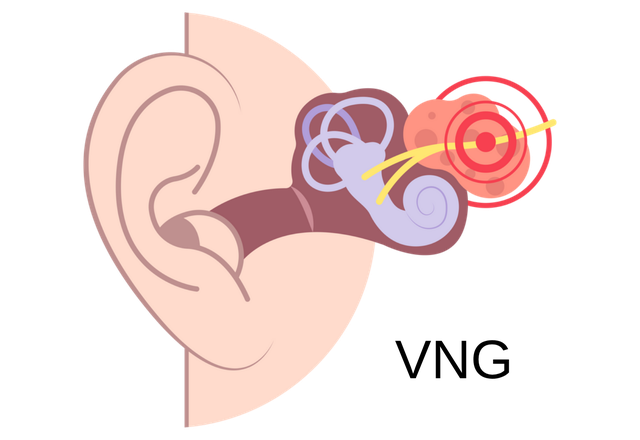
Tests such as VNG, Cognivue or Kinetisense turn problems you cannot see into numbers. We book them and follow each one through to the result.
Step 3: First treatment day
You answer a brief neck questionnaire, learn your home neck exercises, and are fitted with any equipment your physician ordered.
Step 4: Every visit
We confirm a physician is in the clinic, ask the safety and dizziness questions out loud, and then move through your ordered treatments: warm up, steady, treat, then calm down. A typical visit runs close to an hour and a half.
Step 5: Re-checks
At planned points, you redo the questionnaire and any test that was abnormal, and your physician re-examines you. Then you either wrap up with a home plan, or keep going on a revised one.
Visit counts vary widely. A single visit or two can be enough; heavier injuries can take 60 or more over several months. The plan is your physician’s, and it shifts as you heal.
Which treatments does the program use?
Your physician picks the treatments and their strength. Say stop, and any treatment stops. Tap a card for sensations, safety limits and the main points to remember.
Heat or Cold Therapy After Whiplash
Cold settles a fresh or flaring neck. Heat relaxes tight, guarding muscles. Usually the first step. About 10 to 15 minutes.
Open this page →Vibration Platform Therapy After a Concussion
Balance work for the tiny stabilizer muscles of the spine and joints, after a same-day dizziness screen. About 10 minutes.
Open this page →Neck Decompression After Whiplash
A padded cradle and a slow, cycling pull ease pressure on neck discs and nerves. Roughly 15 to 20 minutes, after a dizziness screen.
Open this page →Laser Therapy After Whiplash
Light that eases pain and swelling in strained neck and shoulder tissue. Goggles on, beam kept away from the eyes. About 10 minutes.
Open this page →TENS Therapy After Whiplash
A mild electrical tingle that dials neck and shoulder pain down, used to wind the visit down. Roughly 15 minutes.
Open this page →Which tests make the invisible measurable?
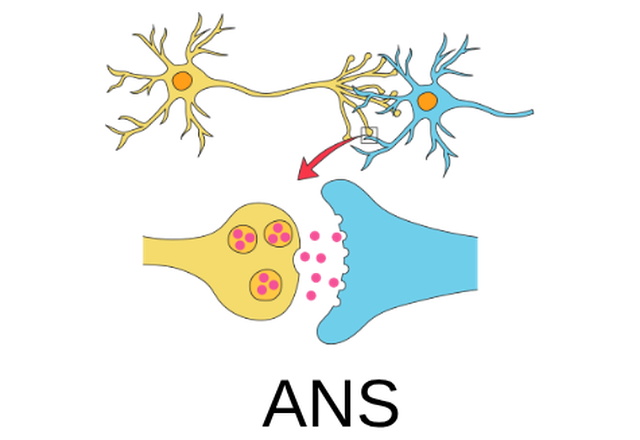
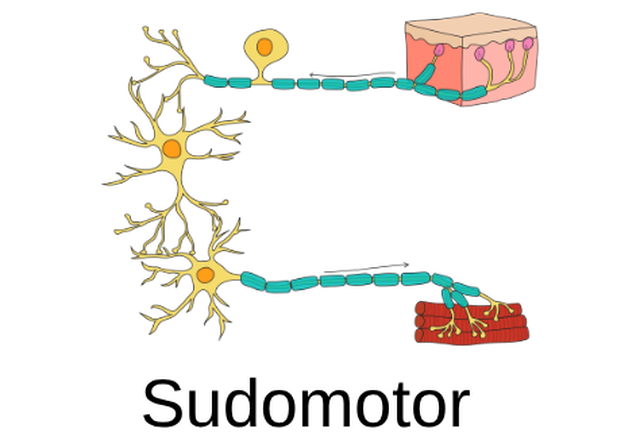
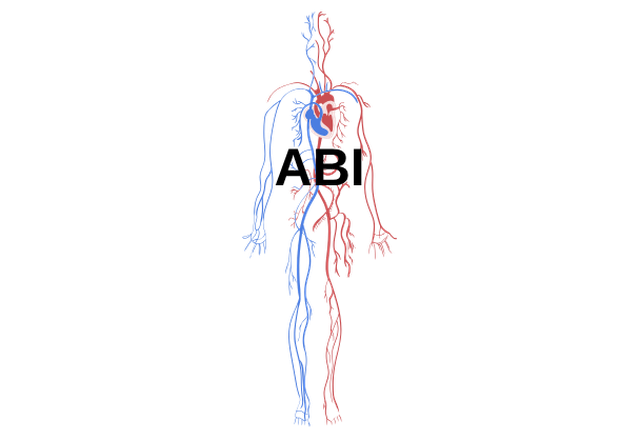
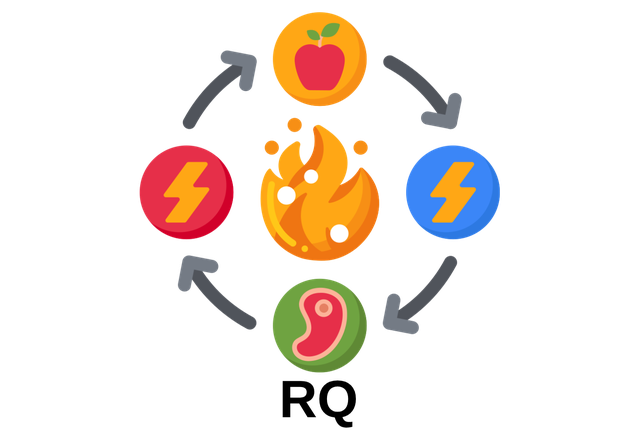
A concussion changes how the brain, eyes, inner ear, nerves and neck work, not how they look on a scan. These tests put numbers on those changes, and repeating them shows whether you are getting better. Five of them are  assessments, shown with Measura’s own images.
Why does every visit include food coaching?
Diet and Metabolic Coaching After a Concussion
An injured brain needs more fuel just when it has trouble using sugar. At each visit we coach you through our written eating protocol: walking for 10 minutes after you eat, dropping seed oils and sugar, sleeping a full 7 hours, and eating within a set daily window. Your physician guides the start, because the first week can mimic concussion symptoms.
See the full eating protocol →What do you do at home?
The work you do at home matters as much as anything we do in the clinic. Most concussions come with whiplash, so your home plan starts with four gentle neck exercises, done twice a day. Your exercise log comes with you to each visit, where the technician tallies the days you did them and watches one exercise for form.
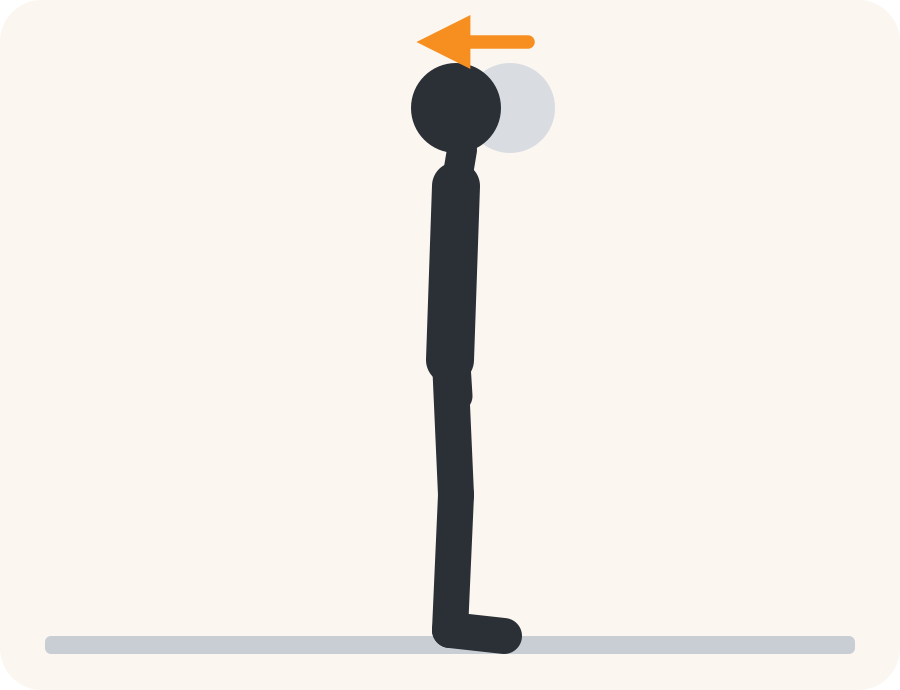
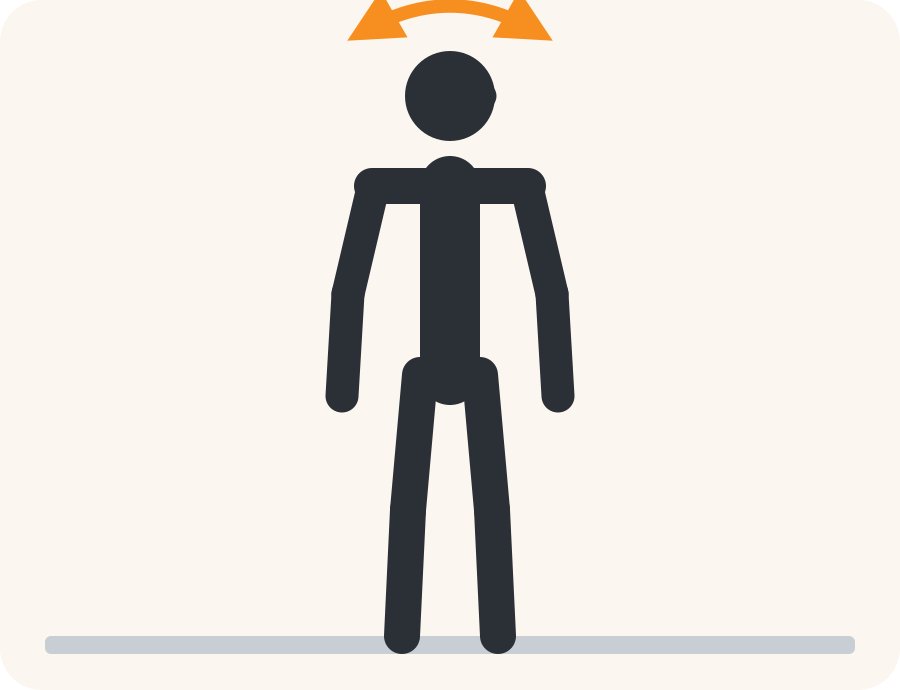
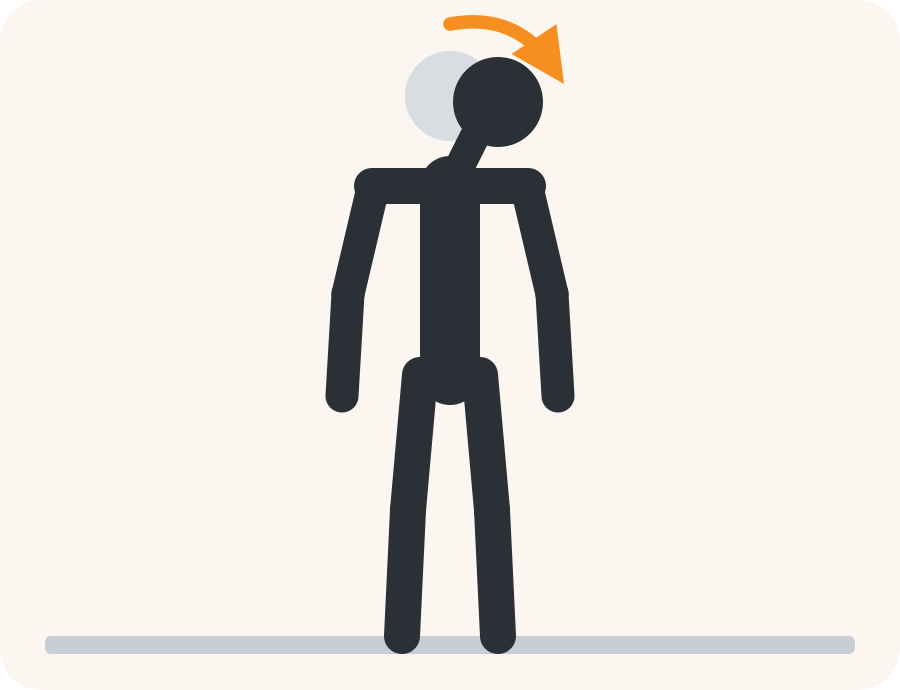
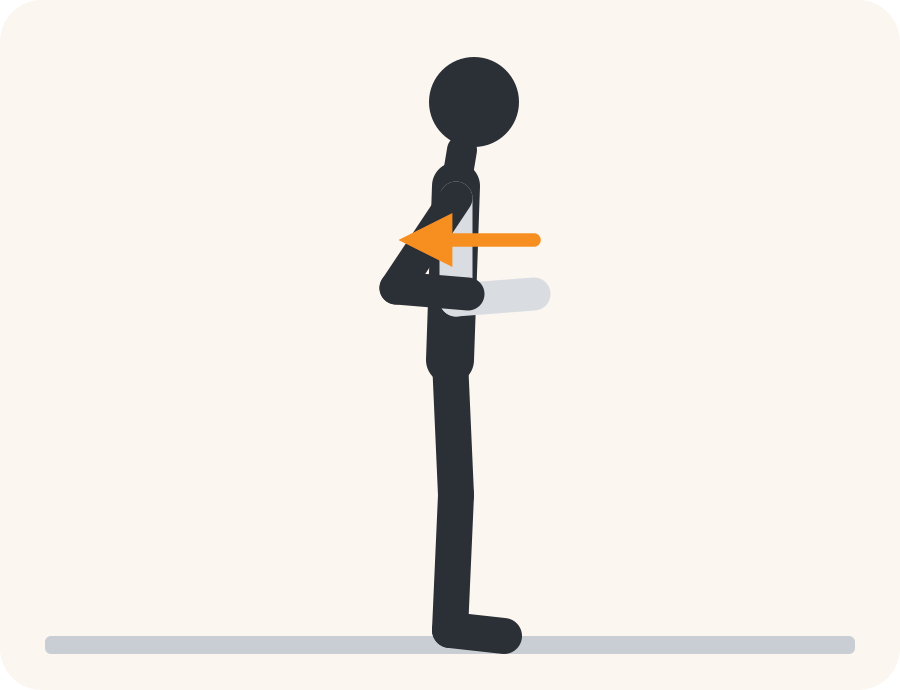
Any equipment your physician orders is fitted to you before you leave, along with a demonstration and a printed sheet.
Home TENS Unit After Whiplash
A pocket unit with electrode pads for pain flares between visits.
Open this page →Exercise Bands After Whiplash
Gentle resistance for neck and upper back strength at home.
Open this page →How do we know it is working?
Symptoms rise and fall from day to day, so we measure more than how you feel on a given morning. You fill in the Neck Disability Index on your first day, then repeat it at every re-check, a short, well-known questionnaire about how your neck affects sleep, reading, driving, work and headaches. We also repeat any test that was abnormal: Cognivue scores, VNG findings, Kinetisense balance and neck range, and CMAT readings.
Each measure has a known amount of change that counts as real. If your scores have not moved enough, the plan changes and the chart says why. That way, weeks are not wasted on a plan that is not working. Numbers also make a record that holds up; see concussion in injury claims.
Source for the Neck Disability Index: Vernon and Mior, Journal of Manipulative and Physiological Therapeutics, 1991, volume 14, pages 409 to 415 (PubMed record).
Common questions
How is this different from physical therapy?
Physical therapy is delivered by a licensed physical therapist. In our program, physicians write and supervise the orders and trained technicians carry them out. It sits inside a larger plan described on our concussion treatment page.
Can physiotherapy make my concussion symptoms worse?
It is paced to avoid that. We start below the level that stirs up your symptoms, screen for dizziness before the platform and decompression, and stop any treatment that sets symptoms climbing. Why some people take longer to recover is explained in the long-term effects of concussion.
Why treat my neck if I hit my head?
Because the same force that shakes the brain whips the neck, and a hurt neck can cause headaches, dizziness and poor sleep of its own. Sorting the neck from the brain is covered in occipital neuralgia vs concussion.
Do I need a referral to start?
You do not. Phone (314) 887-5866 or book online. Please bring emergency room records, scan reports, and a claim number if you have one. Our head injury and TBI doctor page explains what we see and what needs a hospital.
How long is each visit?
Most visits take about 90 minutes, including the safety checks and rest between treatments. Testing visits vary; see concussion diagnosis and testing.
Where is Concussion Center?
We are at 4477 Woodson Rd, Suite 105, St. Louis, MO 63134, near Lambert airport, open Monday through Thursday, 9 a.m. to 4 p.m., and Friday, 9 a.m. to 2:30 p.m. Call (314) 887-5866. We see patients from both sides of the river; see locations and service area.