
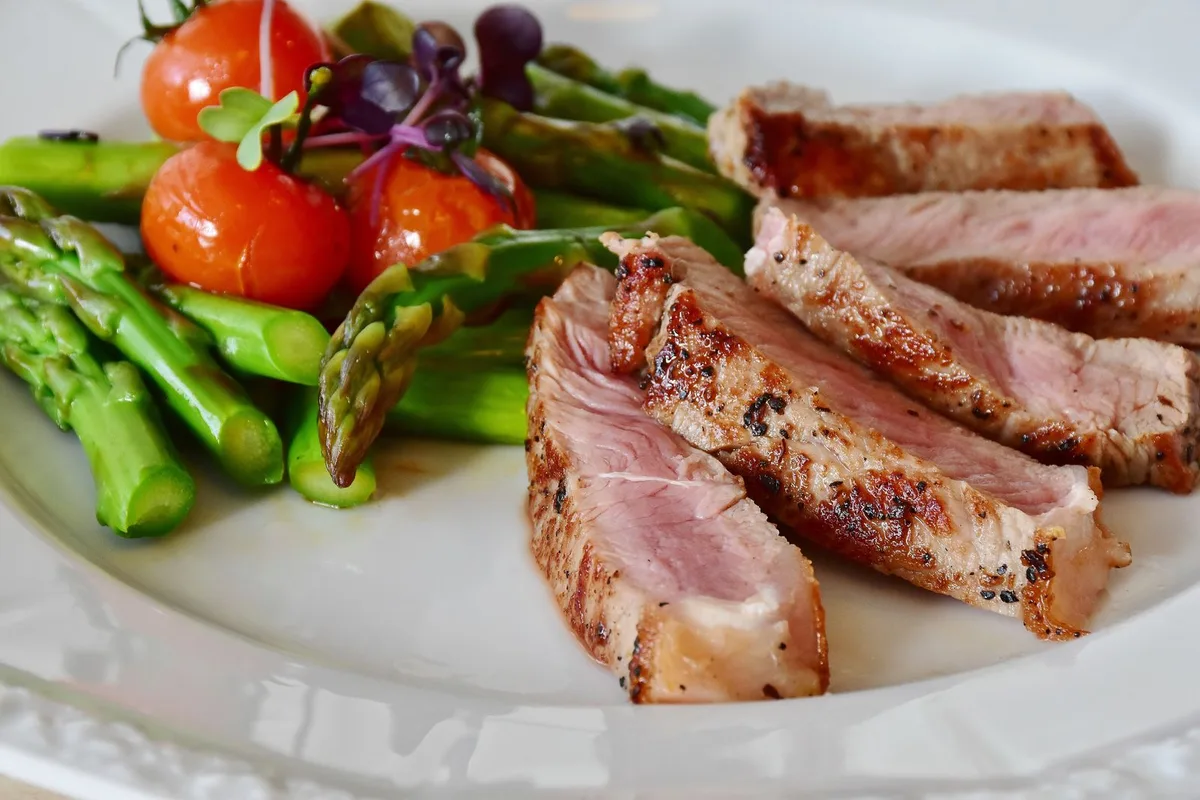
A ketogenic diet for brain injury gives the brain a second fuel, ketones, at a time when it struggles to use sugar. The 2026 guideline from the Society of Metabolic Health Practitioners lists brain energy, brain insulin resistance and inflammation as reasons ketogenic eating is studied in brain conditions. Concussion is not yet on its list, so the start needs a doctor.
Here is the trap. The first week of a ketogenic diet can bring headache, tiredness, light-headedness, poor focus and mood swings. Read that list again. It is also the list of post-concussion symptoms. Start the diet alone in the weeks after a head injury, and nobody can tell which symptom belongs to which cause. That includes you.
Why does an injured brain run short of fuel?
A concussion is an energy problem. In the first minutes, brain cells burn through fuel to restore their balance, while blood flow to the area often drops. Demand goes up as supply goes down.
Then a second problem arrives. In animal research, brain injury made the brain itself resistant to insulin for days to weeks. Insulin is the signal that helps brain cells take in sugar. So the injured brain sits next to a full tank it cannot easily open. We walk through that research in why two people with the same concussion recover differently.
Most concussions happen without a blackout. Many people never connect the fog, the screen trouble and the short temper to the hit. The energy problem runs anyway. More on that is on our page about concussion without loss of consciousness.
What does the 2026 guideline say about ketones and the brain?
The guideline is about medically supervised low-carb eating for metabolic disease. It has a table of emerging uses. For brain and mental health conditions, it lists these reasons:
- Ketones give brain cells another fuel to make energy.
- Ketogenic eating may help ease insulin resistance in the brain.
- It lowers inflammation.
- It helps regulate the brain’s chemical messengers.
- It supports repair and the growth factors that protect nerve cells.
Read those next to the injury. The brain cannot use sugar well, and ketones go in by another door. Insulin signaling is impaired, and the diet works on it. Inflammation is running, and the diet lowers it. That match is why Dr. Padda treats fuel as part of brain injury care. The guideline itself does not name concussion. It names epilepsy, where the evidence is strong, and lists brain diseases, psychiatric conditions and migraine as uses being studied.
The guideline is a consensus document, not a trial. Its panel voted on 18 statements, and every one passed. It rests on a review the authors call non-systematic, without formal grading of the evidence.
Is a ketogenic diet the same as low-carb?
No, and the difference matters for the brain. The guideline treats carb cutting as a range. Under 130 grams of carbs a day is low-carb. Ketosis usually starts under 50 grams. Some people need to go near 20 grams, and some get there above 70.
For blood sugar, you do not always need ketosis. For the brain, the guideline notes, deeper ketosis may matter more. That is the line between eating fewer carbs and running a ketogenic therapy. Therapy means a carb target, measured ketones and a doctor who reads the numbers with you.
Ketosis from food is a normal state. It is not diabetic ketoacidosis, the emergency in people who make no insulin. The guideline says diet ketone levels do not come close to that.
Why can keto flu look like a concussion?
When carbs drop, insulin drops, and the kidneys release salt and water. The guideline says the start-up symptoms begin within two to three days. They usually last a few days and sometimes two to four weeks. They include headache, fatigue, light-headedness, poor concentration, mood changes, cramps and cravings.
Most of that is a salt shortage. The guideline’s fix: 2 to 3 grams of sodium a day for most people, which is 5 to 7 grams of salt. Add potassium from greens, tomatoes, cucumbers and zucchini. Drink at least 2 liters of fluid. Magnesium, 200 to 400 mg a day, can stop cramps if you have no kidney disease or nerve-muscle disease and are not pregnant.
Our rule is simple. Before you change a meal, write down your concussion symptoms every day for a week. Rate the headache, the fog, the dizziness and your sleep. With that baseline on paper, a salt headache on day three looks different from your injury. Without it, you may quit a diet that was helping, or blame the injury for a fix that takes one cup of broth.
One more point. Dr. Padda does not let an injured brain go hungry. The guideline sets protein first and fat “to satiety,” and it does not ask you to count calories. A concussed brain running on skipped meals has less fuel, not more.
Which concussion medicines change on a ketogenic diet?
This is where supervision earns its keep. The guideline names drugs that can block fat breakdown, including beta blockers, some antidepressants such as fluoxetine, and some antipsychotics such as olanzapine and quetiapine. Seizure and psychiatric medicines can change in effect. Lithium and valproic acid need blood levels checked.
Mood needs care too. The guideline suggests a gradual start for people with a mental health diagnosis, especially bipolar disorder, because mood can shift during the change. After a head injury, anxiety and low mood are common. Our page on PTSD and post-concussion syndrome explains why.
Medication changes are made by the doctor, especially insulin, sulfonylureas, SGLT2 inhibitors and blood pressure pills. Never change a dose on your own.
Medicines for post-concussion symptoms need a look too. The guideline lists NSAIDs, opioid pain medicines and several antidepressants, including amitriptyline, among the drugs that can push sodium too low. That adds to the salt your kidneys release in the first week.
Who gets hurt when nobody plans the food?
A concussion often takes away the things that make cooking possible. You cannot focus long enough to plan a week. Bright stores and screens trigger symptoms. Work hours shrink, and so does money. Many people end up alone in a dark room, eating whatever arrives in a bag. That is usually refined starch, sugar and industrial seed oils, the food that drives insulin up and inflammation with it.
Dr. Padda knows the pull of the standard advice. He was a strict vegetarian for years and preached the food rules he now rejects. A plate of beef at a Kansas City barbecue joint ended that. Today red meat, fish and eggs anchor the plates he prescribes, with real olive oil and no seed oils. The guideline’s own list is plain: meat, fish, eggs, dairy and vegetables that grow above the ground. It notes that a whole-food low-carb diet costs about the same as a standard one.
His clinic also checks the terrain behind the injury. A fasting insulin above 10 µIU/mL is high risk in his practice, even when blood sugar looks normal. A brain that was already insulin resistant before the crash has less room to recover.
Where do you start?
Three steps, in this order. Keep the one-week symptom log. Write down every medicine you take, with the dose. Then book an evaluation, so the injury, the labs and the medicines are reviewed before the food changes. Recovery is not only rest. You can feed it on purpose.
Frequently asked questions
What foods help repair brain damage?
No single food repairs an injured brain. What helps is a steady supply of protein and a fuel the brain can still use. The 2026 guideline’s whole-food list is meat, including organ meat, fish, eggs, dairy and vegetables that grow above the ground. Dr. Padda adds real olive oil and removes industrial seed oils.
How do I know my body is in ketosis?
Measure it. A blood ketone meter gives a number, and symptoms do not. The guideline notes that having ketones does not always mean your body has fully adapted to burning fat. For brain-focused therapy, your doctor sets the target and reads the trend with you.
Why do people quit keto?
Many quit in the first week, when salt and water loss causes headache, cramps and fatigue. After a concussion, those symptoms feel like the injury getting worse. Enough salt, potassium and fluid, and a symptom log started before the diet, keep that from ending a useful plan.
Sources
- Rice SM, Buchanan LA, Calkins MW, Cucuzzella MT, Cywes R, Devine PL, Kalamian M, Kalayjian T, Reynolds DB, Westman EC. A Delphi consensus-based guideline for the implementation of therapeutic carbohydrate reduction in metabolic disorders. Journal of Metabolic Health. 2026;9(1):a152. doi:10.4102/jmh.v9i1.152