Blog

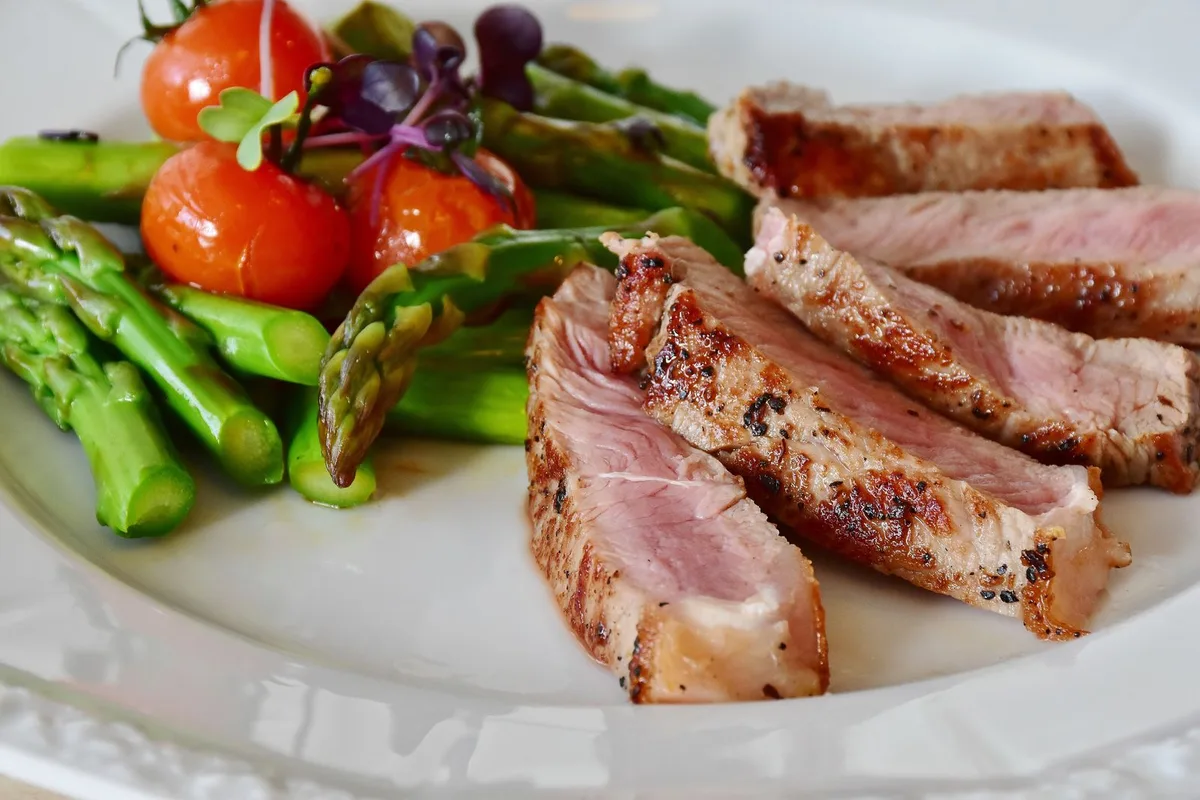
  • Sliced seared steak beside roasted asparagus and cherry tomatoes on a white plate.

    A ketogenic diet for brain injury feeds a starved brain, but the first week can mimic the concussion

    A ketogenic diet for brain injury gives the brain a second fuel, ketones, at a time when it struggles to use sugar. The 2026 guideline from the Society of Metabolic Health Practitioners lists brain energy, brain insulin resistance and inflammation as reasons ketogenic eating is studied in brain conditions. Concussion is not yet on its list, so the start needs a doctor.

    Here is the trap. The first week of a ketogenic diet can bring headache, tiredness, light-headedness, poor focus and mood swings. Read that list again. It is also the list of post-concussion symptoms. Start the diet alone in the weeks after a head injury, and nobody can tell which symptom belongs to which cause. That includes you.

    Why does an injured brain run short of fuel?

    A concussion is an energy problem. In the first minutes, brain cells burn through fuel to restore their balance, while blood flow to the area often drops. Demand goes up as supply goes down.

    Then a second problem arrives. In animal research, brain injury made the brain itself resistant to insulin for days to weeks. Insulin is the signal that helps brain cells take in sugar. So the injured brain sits next to a full tank it cannot easily open. We walk through that research in why two people with the same concussion recover differently.

    Most concussions happen without a blackout. Many people never connect the fog, the screen trouble and the short temper to the hit. The energy problem runs anyway. More on that is on our page about concussion without loss of consciousness.

    What does the 2026 guideline say about ketones and the brain?

    The guideline is about medically supervised low-carb eating for metabolic disease. It has a table of emerging uses. For brain and mental health conditions, it lists these reasons:

    • Ketones give brain cells another fuel to make energy.
    • Ketogenic eating may help ease insulin resistance in the brain.
    • It lowers inflammation.
    • It helps regulate the brain’s chemical messengers.
    • It supports repair and the growth factors that protect nerve cells.

    Read those next to the injury. The brain cannot use sugar well, and ketones go in by another door. Insulin signaling is impaired, and the diet works on it. Inflammation is running, and the diet lowers it. That match is why Dr. Padda treats fuel as part of brain injury care. The guideline itself does not name concussion. It names epilepsy, where the evidence is strong, and lists brain diseases, psychiatric conditions and migraine as uses being studied.

    The guideline is a consensus document, not a trial. Its panel voted on 18 statements, and every one passed. It rests on a review the authors call non-systematic, without formal grading of the evidence.

    Is a ketogenic diet the same as low-carb?

    No, and the difference matters for the brain. The guideline treats carb cutting as a range. Under 130 grams of carbs a day is low-carb. Ketosis usually starts under 50 grams. Some people need to go near 20 grams, and some get there above 70.

    For blood sugar, you do not always need ketosis. For the brain, the guideline notes, deeper ketosis may matter more. That is the line between eating fewer carbs and running a ketogenic therapy. Therapy means a carb target, measured ketones and a doctor who reads the numbers with you.

    Ketosis from food is a normal state. It is not diabetic ketoacidosis, the emergency in people who make no insulin. The guideline says diet ketone levels do not come close to that.

    Why can keto flu look like a concussion?

    When carbs drop, insulin drops, and the kidneys release salt and water. The guideline says the start-up symptoms begin within two to three days. They usually last a few days and sometimes two to four weeks. They include headache, fatigue, light-headedness, poor concentration, mood changes, cramps and cravings.

    Most of that is a salt shortage. The guideline’s fix: 2 to 3 grams of sodium a day for most people, which is 5 to 7 grams of salt. Add potassium from greens, tomatoes, cucumbers and zucchini. Drink at least 2 liters of fluid. Magnesium, 200 to 400 mg a day, can stop cramps if you have no kidney disease or nerve-muscle disease and are not pregnant.

    Our rule is simple. Before you change a meal, write down your concussion symptoms every day for a week. Rate the headache, the fog, the dizziness and your sleep. With that baseline on paper, a salt headache on day three looks different from your injury. Without it, you may quit a diet that was helping, or blame the injury for a fix that takes one cup of broth.

    One more point. Dr. Padda does not let an injured brain go hungry. The guideline sets protein first and fat “to satiety,” and it does not ask you to count calories. A concussed brain running on skipped meals has less fuel, not more.

    Which concussion medicines change on a ketogenic diet?

    This is where supervision earns its keep. The guideline names drugs that can block fat breakdown, including beta blockers, some antidepressants such as fluoxetine, and some antipsychotics such as olanzapine and quetiapine. Seizure and psychiatric medicines can change in effect. Lithium and valproic acid need blood levels checked.

    Mood needs care too. The guideline suggests a gradual start for people with a mental health diagnosis, especially bipolar disorder, because mood can shift during the change. After a head injury, anxiety and low mood are common. Our page on PTSD and post-concussion syndrome explains why.

    Medication changes are made by the doctor, especially insulin, sulfonylureas, SGLT2 inhibitors and blood pressure pills. Never change a dose on your own.

    Medicines for post-concussion symptoms need a look too. The guideline lists NSAIDs, opioid pain medicines and several antidepressants, including amitriptyline, among the drugs that can push sodium too low. That adds to the salt your kidneys release in the first week.

    Who gets hurt when nobody plans the food?

    A concussion often takes away the things that make cooking possible. You cannot focus long enough to plan a week. Bright stores and screens trigger symptoms. Work hours shrink, and so does money. Many people end up alone in a dark room, eating whatever arrives in a bag. That is usually refined starch, sugar and industrial seed oils, the food that drives insulin up and inflammation with it.

    Dr. Padda knows the pull of the standard advice. He was a strict vegetarian for years and preached the food rules he now rejects. A plate of beef at a Kansas City barbecue joint ended that. Today red meat, fish and eggs anchor the plates he prescribes, with real olive oil and no seed oils. The guideline’s own list is plain: meat, fish, eggs, dairy and vegetables that grow above the ground. It notes that a whole-food low-carb diet costs about the same as a standard one.

    His clinic also checks the terrain behind the injury. A fasting insulin above 10 µIU/mL is high risk in his practice, even when blood sugar looks normal. A brain that was already insulin resistant before the crash has less room to recover.

    Where do you start?

    Three steps, in this order. Keep the one-week symptom log. Write down every medicine you take, with the dose. Then book an evaluation, so the injury, the labs and the medicines are reviewed before the food changes. Recovery is not only rest. You can feed it on purpose.

    Frequently asked questions

    What foods help repair brain damage?

    No single food repairs an injured brain. What helps is a steady supply of protein and a fuel the brain can still use. The 2026 guideline’s whole-food list is meat, including organ meat, fish, eggs, dairy and vegetables that grow above the ground. Dr. Padda adds real olive oil and removes industrial seed oils.

    How do I know my body is in ketosis?

    Measure it. A blood ketone meter gives a number, and symptoms do not. The guideline notes that having ketones does not always mean your body has fully adapted to burning fat. For brain-focused therapy, your doctor sets the target and reads the trend with you.

    Why do people quit keto?

    Many quit in the first week, when salt and water loss causes headache, cramps and fatigue. After a concussion, those symptoms feel like the injury getting worse. Enough salt, potassium and fluid, and a symptom log started before the diet, keep that from ending a useful plan.

    Sources

    • Rice SM, Buchanan LA, Calkins MW, Cucuzzella MT, Cywes R, Devine PL, Kalamian M, Kalayjian T, Reynolds DB, Westman EC. A Delphi consensus-based guideline for the implementation of therapeutic carbohydrate reduction in metabolic disorders. Journal of Metabolic Health. 2026;9(1):a152. doi:10.4102/jmh.v9i1.152

  • A clinician reviewing brain scan images on a tablet at a desk.

    Why Two People With the Same Concussion Recover Differently

    People with the same concussion recover differently. That is because the injury is an energy crisis in brain tissue, and how well each person’s metabolism worked the day before the crash is part of the injury. A terrain of insulin resistance and chronic inflammation leaves a smaller margin to meet that crisis.

    Two people are rear-ended at the same intersection, at the same speed, on the same afternoon. Same airbags, same whiplash. Neither of them blacks out, and both get a normal CT. Six weeks later one is back at work. The other is still canceling meetings because the screen makes her nauseous. The crash was identical. The brains were not.

    Is a concussion a bruise on the brain?

    A concussion is not a bruise. In the first seconds, stretched membranes dump potassium out of cells and let calcium in. Glutamate floods the space between them. The brain’s ion pumps start working furiously to restore order. Those pumps run on ATP. So demand for glucose spikes sharply, at exactly the moment cerebral blood flow typically falls.

    The literature calls the gap that opens a metabolic crisis. It is the reason a concussed brain gets tired doing things that used to be free. It is also the reason symptoms come on when you read a screen: load raises an energy demand the tissue currently cannot fund. We cover the mechanism in detail on what a concussion actually does to the brain.

    Hold that thought, because it reframes the whole question. If the injury is fundamentally a problem of energy supply and demand, then how well your metabolism worked the day before the crash is not a side issue. It is part of the injury.

    Giza CC, Hovda DA. The New Neurometabolic Cascade of Concussion. Neurosurgery. 2014;75(Suppl 4):S24–S33. doi:10.1227/NEU.0000000000000505

    Does a brain injury make the brain insulin resistant?

    Here is where it stops being theoretical. Researchers examined what a brain injury does to insulin signaling. That is the system that gets fuel into brain cells.

    They found that traumatic brain injury induces acute insulin resistance in the brain. After a single injury it resolved within about seven days. After repeated injuries it persisted for twenty-eight. So the injured brain temporarily loses some of its ability to respond to the very signal that would help it take up fuel and damp inflammation. And that happens during precisely the window when it needs both most.

    Then they added the variable that matters here. Obesity — which already causes brain insulin resistance and neuroinflammation before any injury occurs — made the consequences of the brain injury worse. The animals carrying that metabolic burden showed prolonged disruption of insulin signaling and more microglial activation (immune activity in the brain). They also showed measurable deficits in learning, memory and anxiety-like behavior.

    Be clear about the evidence tier: that is a mouse study, not a clinical trial. It does not license a promise that changing your diet will fix post-concussive symptoms, and we are not making one. What it does is describe a mechanism that is coherent and measurable. It is consistent with what we see in the clinic: two people, one crash, two different recoveries.

    Karelina K, Sarac B, Freeman LM, Gaier KR, Weil ZM. Traumatic brain injury and obesity induce persistent central insulin resistance. Eur J Neurosci. 2016;43(8):1034–1043. doi:10.1111/ejn.13194

    The terrain most American adults bring to a crash

    The pattern of eating that dominates in this country is refined carbohydrate, industrial seed oils, ultra-processed food and very little fiber. It does not announce itself as a brain problem. It announces itself, if at all, as a waistline or a lab value. But the same pattern is associated in the literature with insulin resistance, chronic low-grade inflammation, and vascular changes that reach the brain. Reviews of dietary patterns and cognitive decline keep landing on it. They name it as a modifiable contributor (one you can change) to how the brain ages.

    Most people carrying that terrain feel fine. That is the point. It is not a disease you know you have. It is a reduced margin. And a reduced margin is invisible right up until something demands a surge of capacity you no longer have.

    A concussion is exactly that demand.

    Why don’t standard concussion recovery timelines fit many adults?

    Almost everything known about concussion recovery comes from studying young athletes. They are healthy, monitored, identified within minutes, and metabolically about as good as humans get. Those studies systematically exclude people with diabetes, obesity, sleep apnea and vascular disease.

    That means the recovery timelines the whole field quotes were set in one population. Those are the timelines that get quoted back to patients. And that population is the one least like the middle-aged adult who was rear-ended on the way home from work. When that person does not recover on schedule, the conclusion drawn is usually that they are exaggerating. The simpler conclusion is that the evidence base never included them.

    See the long-term effects of concussion for what the outcome data actually show. That includes where the published figures disagree.

    How do we treat the metabolic side of concussion recovery?

    Treating the terrain is not a substitute for treating the injury. The vestibular and oculomotor work is what resolves the dizziness and the visual intolerance. Nothing nutritional replaces it. But we assess and treat the metabolic side alongside it, rather than handing it to somebody else. That is because it is part of the same problem:

    • Glucose handling and insulin resistance — the system the injury has just disrupted centrally
    • Sleep, including sleep-disordered breathing — no amount of rehabilitation outruns a brain that is intermittently hypoxic (short of oxygen) all night
    • Inflammatory load — the injury adds neuroinflammation to whatever was already running
    • Simple fueling during recovery — the unglamorous point that an injured brain with raised glucose demand should not be running on skipped meals

    Details on the clinical side are on treatment.

    If this idea is the interesting part

    The argument on this page is narrow. It is about concussion, and about why two people with the same crash get different outcomes. But the underlying idea is bigger than head injury. Cognitive decline in general looks far less like a disease that arrives one day. It looks far more like a terrain that gives way gradually. Energy, vasculature and inflammation fail quietly, for years, long before anyone calls it a diagnosis.

    Dr. Gurpreet Singh Padda, MD, MBA, MHP, wrote a book about that: The Starved Brain. It is not about concussion, and it is not a companion to this clinic. It is a separate, editorial argument about cognitive decline as a metabolic and structural failure rather than an inevitability of age. If the terrain idea is the part of this article that stayed with you, that is where it is developed properly.

    Read about The Starved Brain →

    If you are in the St. Louis area and the reason you are reading this is a head injury that has not resolved, that is a different conversation and a clinical one — start here.

    The short version

    • A concussion is fundamentally an energy crisis in brain tissue, not a bruise.
    • Brain injury induces insulin resistance in the brain itself — briefly after one injury, for far longer after repeated ones.
    • In animal work, a metabolic burden that was already there made the same injury worse: more inflammation, more memory deficit, slower recovery.
    • The trials that set expectations for recovery excluded the people most likely to be carrying that burden.
    • So the honest answer to “why am I not better yet?” is often not that the injury was worse. It is that the ground it landed on was.

    Frequently asked questions

    What affects how fast you recover from a concussion?

    The injury is an energy crisis in brain tissue. So how well your metabolism worked before the crash is part of the injury. Insulin resistance and chronic inflammation leave a smaller margin to meet that crisis. Repeat injuries matter too. In animal work, brain insulin resistance resolved in about seven days after one injury. It persisted for twenty-eight after repeated ones.

    What helps concussion recovery?

    Treating the injury and the terrain together. Vestibular and oculomotor rehabilitation resolves the dizziness and visual intolerance, and nothing nutritional replaces it. Alongside it, we assess glucose handling and insulin resistance. We assess sleep, including sleep-disordered breathing, and inflammatory load. We also make sure an injured brain with elevated glucose demand is not running on skipped meals.

    Why do screens make concussion symptoms worse?

    Reading a screen is load, and load raises the brain’s demand for energy. After a concussion the tissue is in a metabolic crisis. Its demand for glucose has spiked while cerebral blood flow has fallen. The symptoms that come on at the screen are the injured brain reporting that it cannot yet fund the task.

    Does being overweight slow concussion recovery?

    In animal research, it made the injury worse. Obesity already causes brain insulin resistance and neuroinflammation before any injury. After a brain injury, it led to longer disruption of insulin signaling, more inflammation, and deficits in learning and memory. That is a mouse study, not a clinical trial. It is not a promise that diet alone fixes symptoms. It fits what we see in the clinic.